
Tackling the Waste Challenge in Your Next Project
Embarking on a home renovation, a major cleanout, a construction job, or a significant landscaping project often brings excitement and anticipation. However, these endeavors invariably generate substantial amounts of waste and debris – from old drywall and flooring to unwanted furniture, yard trimmings, and construction scraps. Managing this waste efficiently is a critical component of project success, yet it’s frequently an afterthought until piles of debris become a logistical bottleneck and a worksite hazard. Standard curbside trash collection is rarely equipped to handle the volume or type of materials produced. This leaves project managers, contractors, and homeowners searching for a practical disposal solution.
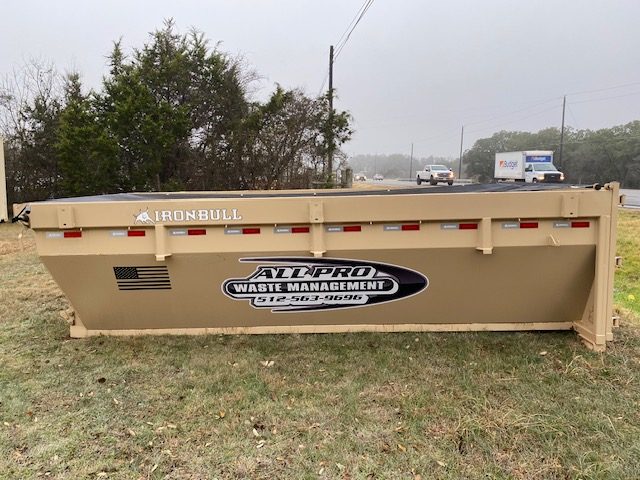
Enter the roll-off dumpster. This specialized waste container offers a convenient, high-capacity, and often surprisingly cost-effective method for handling the large quantities of waste typical of temporary, large-scale projects. Unlike standard garbage bins or making countless trips to the local landfill, renting a roll-off dumpster provides a dedicated, on-site solution tailored to the demands of significant cleanups and construction efforts.
This article serves as a comprehensive guide, exploring the fundamental question: why rent a roll-off dumpster? It will delve into what these containers are, their typical sizes and applications, the significant advantages they offer over alternatives, and the practical considerations involved in the rental process. By understanding the full value proposition, individuals undertaking waste-intensive projects can make an informed decision about the most efficient and effective way to manage their debris.
Understanding Dumpster Rentals: More Than Just a Big Bin
A roll-off dumpster is specifically engineered for heavy-duty waste collection during temporary projects. It is defined as a large, typically open-top, rectangular waste container featuring wheels that enable it to be “rolled off” a specialized delivery truck or trailer and positioned at a worksite. The delivery and pickup process utilizes these trucks, which employ mechanisms like a hydraulically operated bed that tilts, allowing the container to roll off, often controlled by a cable and winch system, or a hook-lift system where an arm hooks onto the dumpster to lift it onto the truck.
Several key characteristics distinguish roll-off dumpsters and make them suitable for demanding projects:
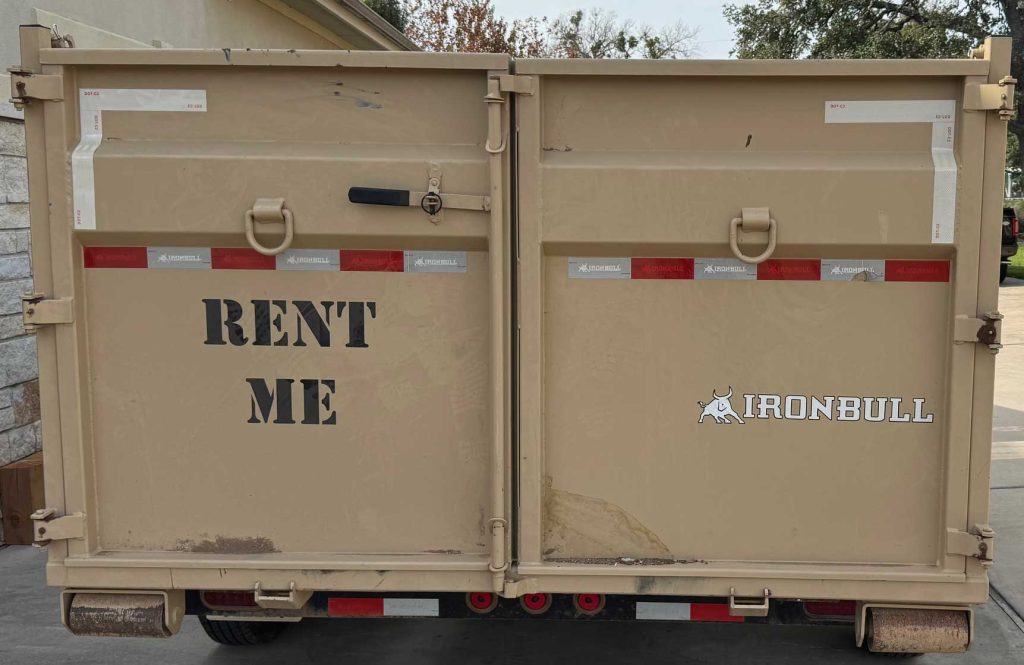
● Open-Top Design: The most common feature is an open top, which significantly simplifies the loading process, especially for bulky or large items like furniture, demolition debris, or long pieces of lumber. This design often eliminates the need to lift heavy waste over high container walls. Many roll-offs also feature a swinging door on one end, allowing users to walk heavy or awkward items directly into the container. While open-top is standard, some specialized roll-offs are enclosed and used with industrial compactors, and some providers may offer tarps to cover the contents during the rental period.
● Wheels: Integrated wheels are fundamental to the “roll-off” concept, facilitating easier placement and removal compared to stationary dumpsters that are typically lifted and emptied on site. These wheels are primarily for the delivery/pickup process, not for moving the dumpster around the site by hand once placed.
● Rectangular Footprint: Roll-offs possess a distinct rectangular shape, often dictated by the dimensions of the transport trucks.
● Heavy-Duty Construction: Constructed typically from durable steel, these containers are built to withstand the rigors of construction sites and handle substantial weight and volume, including dense materials like concrete, bricks, and asphalt.
● Temporary Use Focus: Roll-off dumpsters are primarily intended for short-term rentals associated with specific projects like construction, renovations, cleanouts, or landscaping, rather than serving as permanent fixtures for ongoing waste collection. Dumpster rentals are typically measured in days or weeks.