
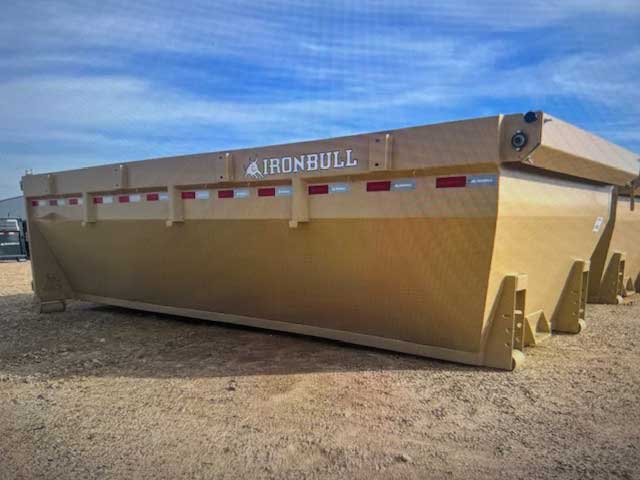
Renting a roll-off dumpster offers a suite of compelling advantages that directly address the challenges of managing large volumes of waste generated during temporary projects. These benefits extend beyond simple waste containment, impacting project efficiency, safety, cost-effectiveness, and environmental responsibility.
Streamlining Your Project: Convenience and Efficiency Gains
One of the most immediate and impactful benefits is the sheer convenience and resulting efficiency a roll-off dumpster brings to a project.
- Centralized Disposal: It provides a single, designated location for all project waste.7 This eliminates the need for multiple small piles of debris scattered across the worksite, leading to a more organized and manageable environment.
- Reduced Effort & Time: Perhaps the most significant efficiency gain comes from eliminating the need for repeated, time-consuming trips to a landfill or transfer station. Renting a dumpster saves considerable time otherwise spent loading a vehicle, securing the load, driving (often significant distances), waiting in line at the disposal facility, unloading, and returning to the site – a process that might need to be repeated many times for a large project.
- Work at Your Own Pace: Dumpster rentals typically span several days (often 7-10 days standard, with options for extension). This allows users the flexibility to load waste incrementally as it’s generated throughout the project lifecycle, fitting their own schedule without pressure. This contrasts sharply with the need to adhere to landfill operating hours or the immediate, scheduled nature of junk removal services.
● Simplified Logistics: The rental process itself is designed for convenience. The rental company takes responsibility for delivering the container to the specified location and picking it up once it’s full or the rental period ends. The user’s primary responsibility is simply filling the dumpster.
These convenience factors collectively contribute significantly to overall project efficiency. By minimizing the time, labor, and logistical complexity associated with waste disposal through a dumpster rental , valuable resources – particularly labor hours – are freed up. This allows workers and project managers to focus their efforts on core project tasks, leading to smoother workflows and potentially faster project completion times, which can be critical for meeting deadlines and controlling overall project costs.
Handling It All: Capacity for Large Volumes and Bulky Items
Roll-off dumpsters are specifically designed to handle the scale and nature of waste generated by substantial projects.
- Large Volume Capacity: With standard sizes ranging from 10 to 40 cubic yards, roll-offs offer significantly more containment volume than standard trash bins or the bed of a typical pickup truck. This high capacity is essential for projects that produce large quantities of debris.
- Accommodates Bulky Items: The open-top design, generous dimensions, and often included swinging end doors make roll-offs ideal for disposing of large, heavy, or awkwardly shaped items that are difficult to manage otherwise. This includes items like old furniture (couches, tables), appliances (subject to restrictions), large sections of drywall, long pieces of lumber, and bulky yard waste.
- Versatility for Mixed Waste Streams: Within the bounds of prohibited items, roll-offs can generally accept a mix of common project waste, such as construction and demolition debris, general household junk, and yard waste, simplifying disposal for multifaceted projects.
The substantial capacity of roll-off dumpsters directly impacts project flow. Consider a project generating 20 cubic yards of waste. Hauling this DIY might require approximately eight separate pickup truck loads. Using smaller standard dumpsters could necessitate multiple emptying cycles. In contrast, a single 20-yard roll-off container can typically handle this entire volume within one delivery and pickup cycle. This consolidation of waste minimizes the frequency of waste removal activities, reducing potential disruptions to the workflow caused by needing to stop work for a landfill run or waiting for a full smaller bin to be serviced. This leads to a more continuous and uninterrupted project progression.
Promoting a Safer, Cleaner Worksite
Effective waste management is intrinsically linked to worksite safety. Renting a roll-off dumpster contributes significantly to creating a safer environment.
- Reduced Clutter: By providing a designated, centralized container, roll-offs prevent the accumulation of scattered debris piles around the worksite. This results in a cleaner, more organized, and less chaotic work area.
- Minimized Hazards: A clutter-free site directly translates to reduced safety risks. Fewer scattered materials mean fewer obstacles to navigate, minimizing the potential for trips, slips, and falls. It also reduces the chance of injuries from sharp objects like nails, broken glass, or splintered wood that might otherwise be left lying around.
- Containment: The dumpster effectively contains waste materials, preventing them from blowing away or becoming hazards to workers, residents, visitors, or neighbors.
The link between improved worksite safety and reduced project costs and liabilities is often underestimated. Accidents resulting from poorly managed waste, such as trips over debris or cuts from sharp materials, can lead to serious injuries, subsequent work stoppages, increased insurance premiums, and potentially expensive legal action or workers’ compensation claims.
Responsible Disposal: Environmental and Regulatory Benefits
Utilizing a roll-off dumpster rental service also offers significant advantages related to environmental stewardship and regulatory compliance.
- Environmental Responsibility: Renting a dumpster facilitates proper waste disposal channels, discouraging illegal dumping in unauthorized areas, which can harm ecosystems and communities. Furthermore, many reputable dumpster rental companies have established processes for waste sorting and recycling. Materials like metal, wood, concrete, cardboard, and plastics collected in the dumpster can often be segregated at the transfer station or recycling facility and diverted from landfills. This practice supports sustainability goals, conserves natural resources, and contributes to a circular economy.
- Compliance: Navigating the complex web of local, state, and federal regulations governing waste disposal can be challenging for individuals or contractors. Reputable roll-off rental providers are typically well-versed in these requirements and ensure that the collected waste is transported to licensed and permitted disposal or recycling facilities.
- Avoid Fines and Penalties: By ensuring waste is handled correctly through a legitimate service, renters can avoid potentially substantial fines and legal repercussions associated with improper disposal or non-compliance with regulations.
- Reduced Carbon Footprint: Consolidating potentially numerous individual trips to the landfill into a single delivery and single pickup cycle for the dumpster reduces overall vehicle miles traveled, thereby lowering fuel consumption and associated carbon emissions.
Engaging a professional dumpster rental service effectively transfers much of the burden of ensuring compliant waste disposal from the renter to the service provider. This is a significant advantage, as waste disposal laws can differ considerably based on location and the specific type of material being discarded.