
Finding The Right Fit
Selecting the appropriately sized dumpster rental is critical for both project efficiency and cost management. These containers are sized based on the volume of debris they can hold, measured in cubic yards. A cubic yard is a three-dimensional measure of volume equivalent to a cube that is 3 feet long, 3 feet wide, and 3 feet high, totaling 27 cubic feet.
In the United States, the most common standard sizes for roll-off dumpsters are 10, 15, 20, 30, and 40 cubic yards. Some rental providers also offer intermediate sizes, such as 12-yard dumpsters, to provide more tailored options. It’s important to note that the availability of specific sizes can vary depending on the rental company and geographic location.
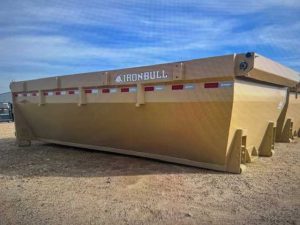
To aid in selecting the right size, understanding the typical dimensions and capacity equivalents is helpful. While exact dimensions can vary slightly between manufacturers and rental companies, the following table provides a general overview:
| Size (Cubic Yards) | Typical Dimensions (L x W x H in feet) | Estimated Capacity (Pickup Truck Loads) | Common Project Examples |
| 10 Yard | 14′ x 7.5′ x 3.5′ | ~3-4 Loads | Small basement/garage cleanouts, small bathroom remodel, heavy debris (concrete, dirt, shingles) |
| 16 Yard | 16′ x 7′ x 4′ | ~4-6 Loads | Medium cleanouts (attic, larger garage), kitchen remodel, landscaping projects, small deck removal |
| 20 Yard | 16′ x 7′ x 6′ | ~6-8 Loads | Large home cleanouts, moderate renovations, large landscaping, roofing jobs, garage demolition |
| 30 Yard | 22′ x 7.5′-8′ x 6′ | ~9-14 Loads | Major home renovations, large construction/demolition debris, whole-home cleanouts, commercial projects |
| 40 Yard | 22′ x 7.5′-8′ x 8′ | ~12-16 Loads | Large-scale construction/demolition, major commercial cleanouts, significant building projects |
This table serves as a crucial tool for practical decision-making. By providing multiple capacity metrics alongside dimensions and project examples, it helps users estimate their debris volume and choose a size that is both adequate and economical. This avoids the common pitfalls of selecting a dumpster that is too small, necessitating extra, costly hauls, or one that is too large, resulting in payment for unused space.
However, volume capacity is only one part of the equation. Weight limits are equally critical. Each dumpster size has a maximum allowable weight, often ranging from 1-2 tons for smaller bins up to 4-6 tons or more for larger ones, with some capable of handling up to 10 tons safely.
These limits are necessary for safe transportation and compliance with road regulations. Exceeding the weight limit can prevent the rental company from hauling the dumpster due to safety concerns (potential damage to the truck or roads) and will almost certainly result in significant overage fees charged to the renter.
For instance, a homeowner demolishing a concrete patio might generate a volume that could fit in a 16 yard dumpster, but the sheer weight of the concrete would likely necessitate renting a 20 yard dumpster instead. Understanding this distinction is vital for accurate project planning, avoiding service refusals due to overweight loads, and preventing unexpected, costly overage charges.